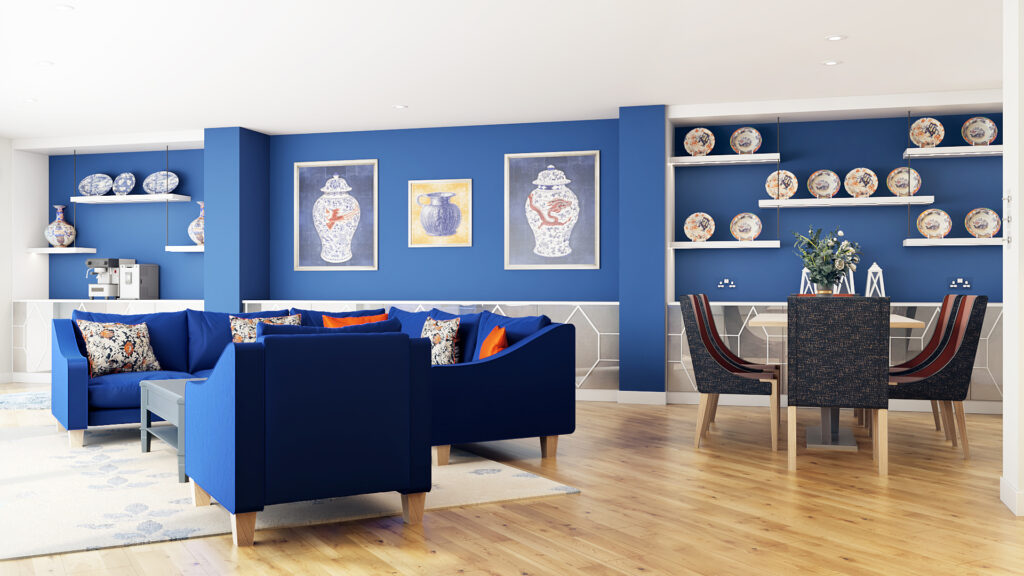
How to choose the best paint colour and finish for your space.
How to choose the best paint colour and finish for your space.
As any homeowner knows, choosing paint colours can be overwhelming and a qualified interior designer or interior stylist can certainly help with this choice, however, there are a few steps that you can take to go through the selection process yourself.
First of all, analyse the room for interior paint ideas. Don’t solely look for which paint swatch you like just because it looks good on your neighbour ’s living room walls. Look at other existing finishes in the room; take into consideration your existing floor finishes, countertops, rugs, furniture, curtains etc. This will help you narrow your options. Look at Pinterest, Houzz and Google images for inspiration for the chosen colours.
The second step is to get colour chips and test with paint samples and start testing them in different lighting conditions. Natural and artificial light will impact the appearance of colour on the walls, so viewing it at different times of the day in all lighting conditions is essential.
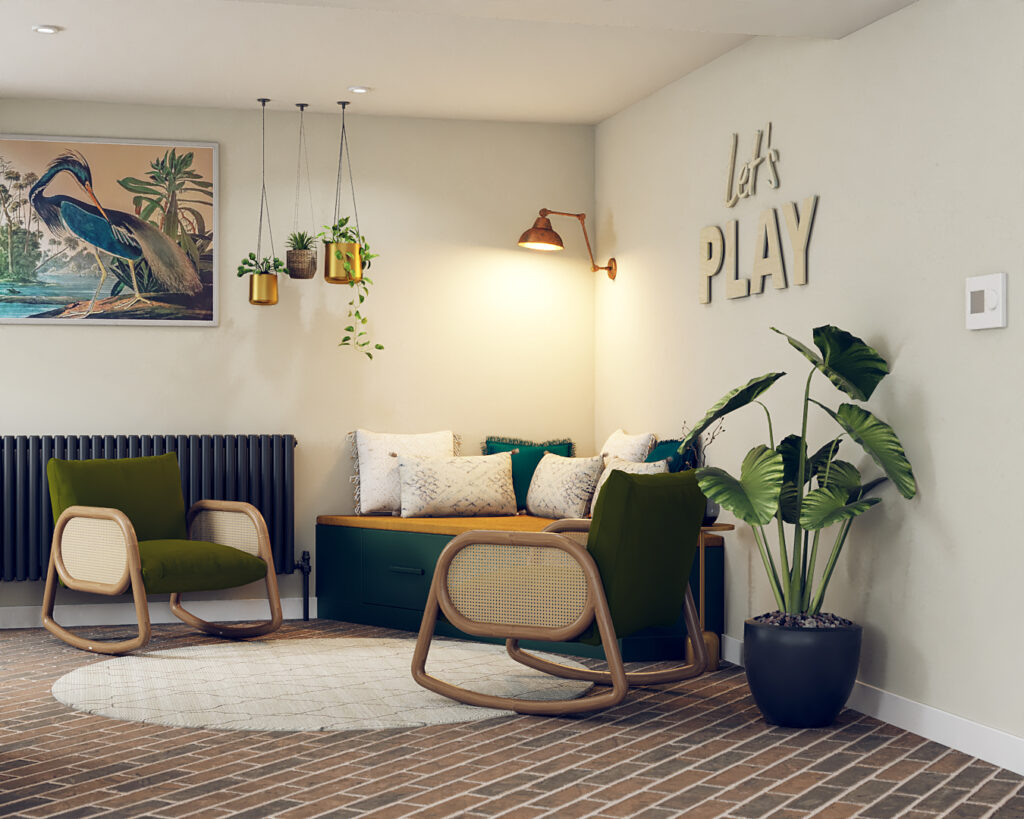
When you chose a colour for your walls or ceiling or architectural details, it’s also important to consider the following: tint, shade and tone.
An example of tint of blue is a light blue, so blue plus white.
An example of a shade of blue is dark blue, so blue plus black.
An example of a tone of blue is a greyed blue, so blue plus grey.
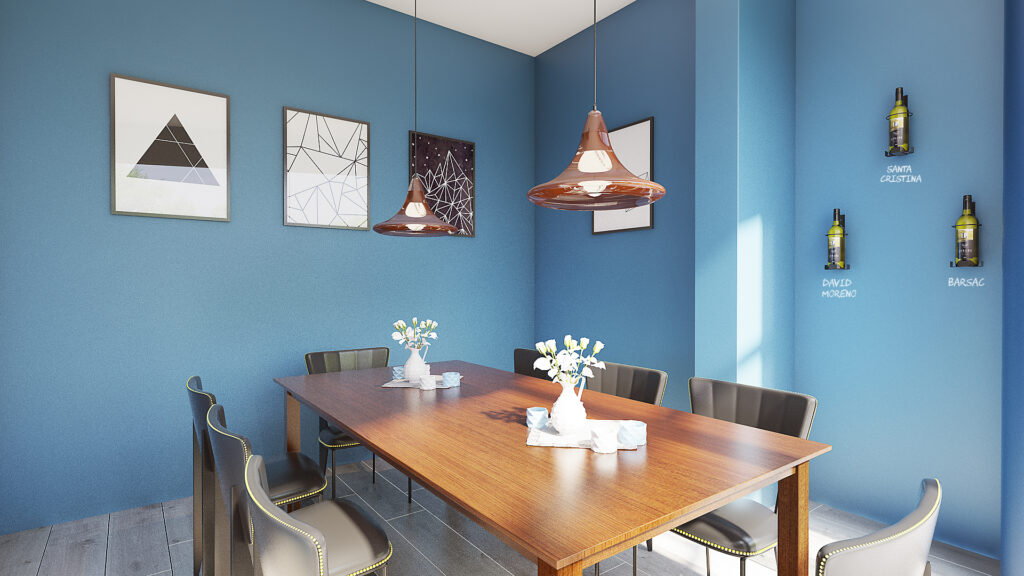
The basic rule when choosing paint sheens is the following: the higher the sheen, the higher the shine, and the higher the shine, the more durable the paint will be.
Below there’s a list of different paint finishes to consider when choosing colour.
Flat– probably ideal for ceilings or low or moderate traffic areas, elegant, velvety flat finish with no shine. When considering flat paint in high-traffic areas that require frequent attention, think carefully as stains are harder to remove from low- sheen paint, and constant rubbing or cleaning can result in burnishing.
Matte– is nearly as shine-free as flat, providing excellent hide and depth of colour with slightly more durability. It’s also a better choice for frequent washing, even when applied in more high-traffic areas. We usually specify matte finish for the walls for our projects and our favourite is matte finish Aura paints from Benjamin Moore.
Both flat and matte finishes soak up, rather than reflect the light. Both have the most pigment and will hence provide the most coverage.
Eggshell- sits between satin and flat on the sheen, and it’s essentially flat finish with little luster, about 10%. It covers wall imperfections well and it reflects more light than flat or matte finishes. Use in areas of your home that require frequent cleaning such as hallways or family rooms.
Satin- contains about 20% sheen and it’s an excellent for high-traffic areas, but it reveals application flaws, such as roller or brush strokes. The difference between eggshell and satin is that the latter offers better resistance and durability due to higher level of sheen. We like using satin paint finishes on trims, interior doors, architectural details like the paneling and bevelling.
Gloss– great for room where moisture, drops and grease challenge walls, however, you can get paints that suitable for these rooms with matte finish. Semi-gloss and high-gloss finishes are perfect for highlighting the architectural details of your home. Both finishes are extremely durable, stain-resistant and offer elegant shine. Since glossy finishes reflect light and can accentuate blemishes, avoid using them on areas that are imperfect.
When you decide which colour and what finish to use, invest in a good quality paint. We advocate using original paints from Benjamin Moore, Farrow & Ball, Little Greene and Dulux.