5 Bathroom Design Mistakes Impacting the Installation Process
Designing a bathroom requires careful planning to ensure functionality and aesthetic appeal. But beyond the design itself, poor decisions can cause major headaches during the installation process. Let’s look at five common bathroom design mistakes and how they can disrupt installation, leading to delays, extra costs, and unnecessary complexity.
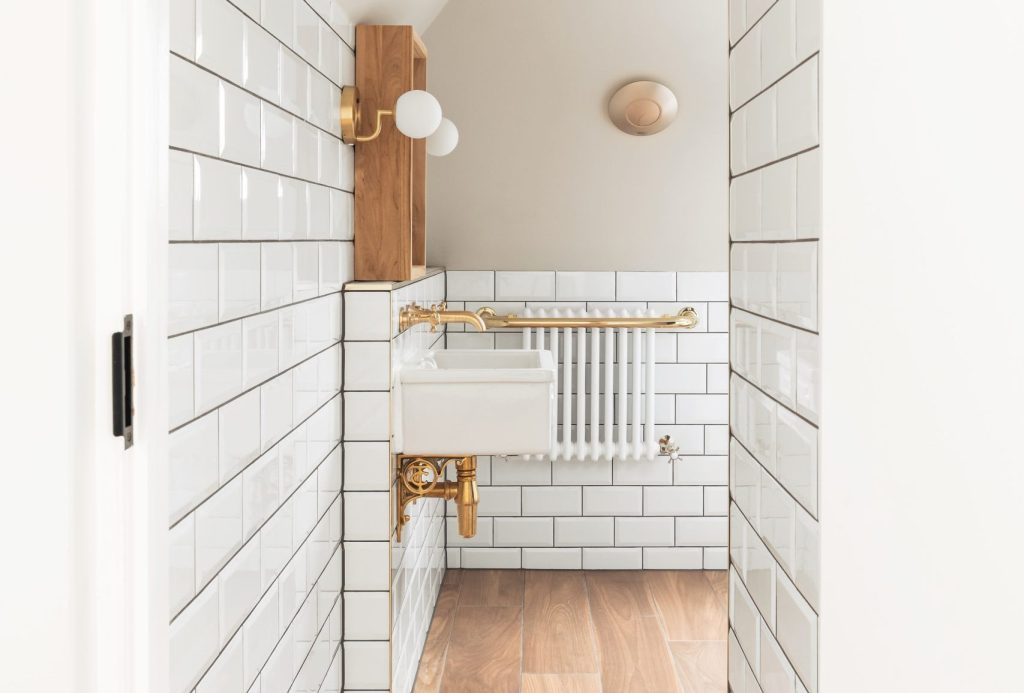
Guest Ensuite featuring stunning washbasin by Thomas Crapper.
1. Overlooking Plumbing Locations
Impact on Installation: Poor planning for plumbing can lead to extensive modifications on-site. When bathroom fixtures like sinks, toilets, or showers are not aligned with existing plumbing, it may require re-routing pipes, adding to labor time and cost.
Additional Challenges: Installing plumbing in non-standard locations can also complicate the integration of fixtures, especially when pipes or drains need to be custom-fitted. This increases the chances of leaks, longer installation times, and a more expensive overall project.
2. Incorrect Tile Selection and Layout
Impact on Installation: Tiles that are incorrectly sized or patterned for the space can create significant issues. For instance, using large tiles in a small, irregularly shaped bathroom might require extensive cutting, slowing down the process and leading to excessive tile waste.
Additional Challenges: Inconsistent tile layouts might result in misaligned grout lines, which can ruin the final look of the bathroom. Even worse, cutting tiles to fit odd spaces increases the likelihood of breakage during installation, resulting in additional costs for materials and time.
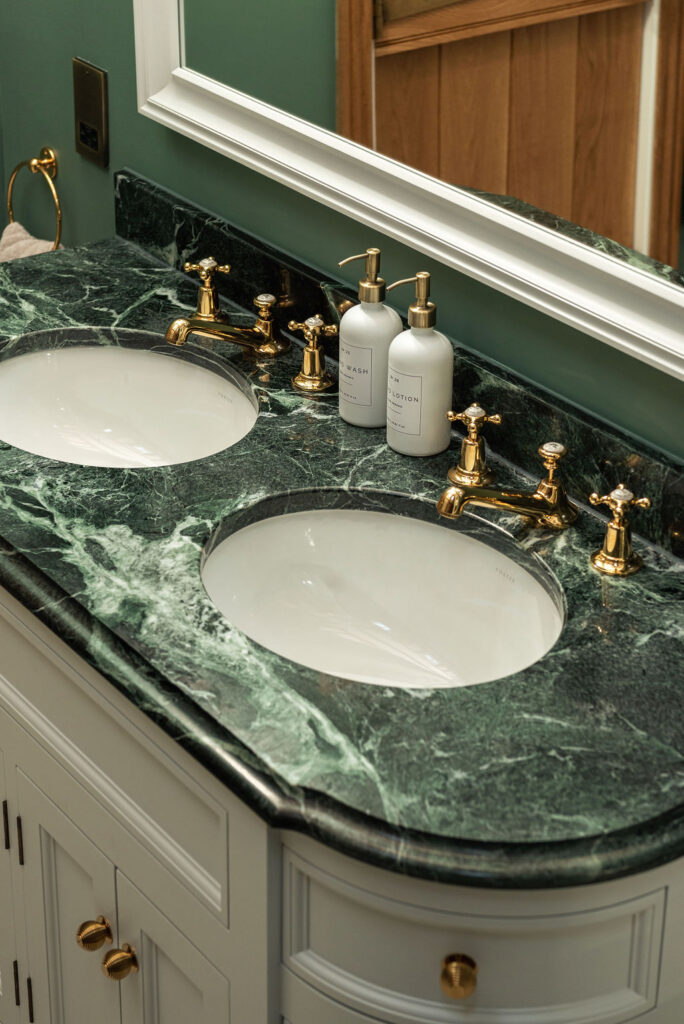
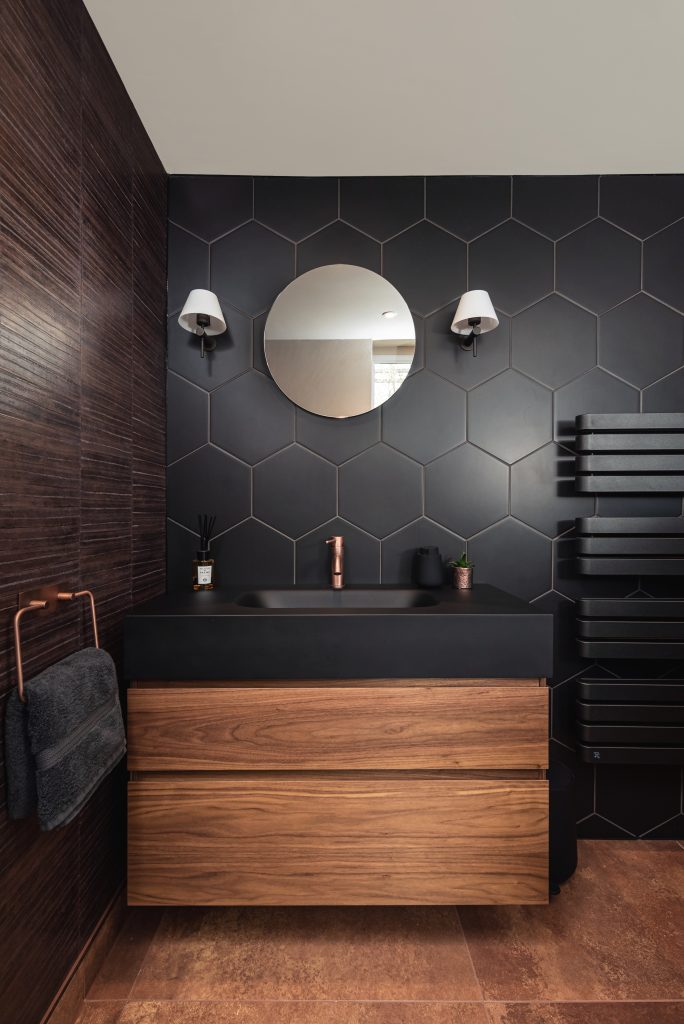
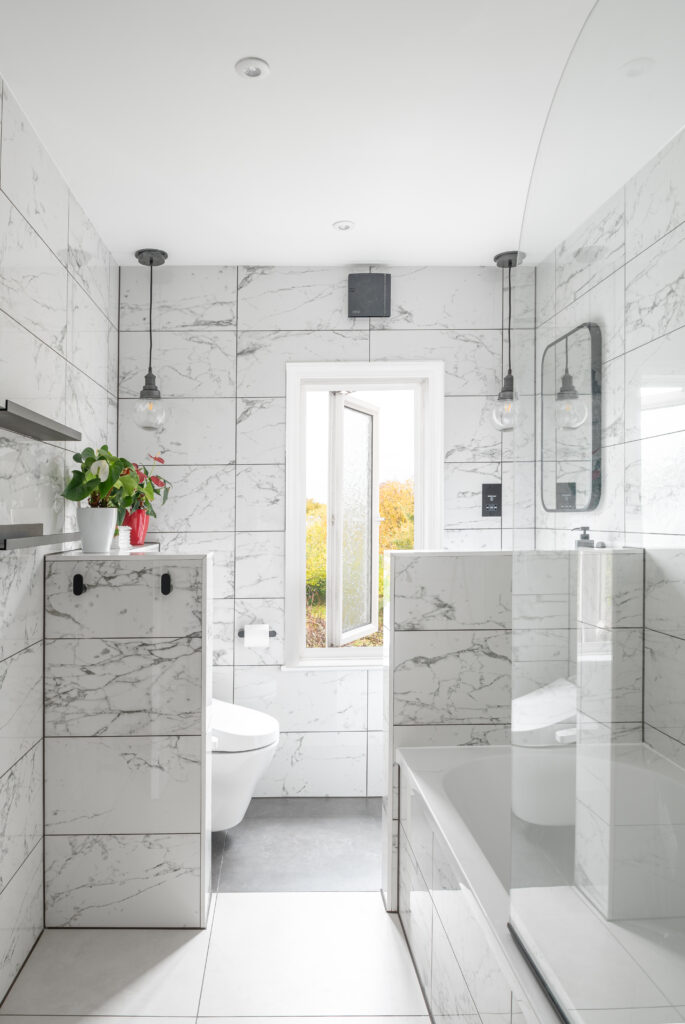
Photo on the left: Featuring a double his and hers vanity unit (Porter Bathrooms) with brass taps from Lefroy Brooks.
Middle photo: Featuring (on the left) a stunning textured Wallcovering from Elitis, a generously proportioned vanity unit from Crosswater and textured copper tiles from Ceramiche Caesar.
Photo on the right: Scandi-style bright and airy family bathrooms featuring gunmetal finish pendants from Industville.
3. Poor Ventilation Design
Impact on Installation: Inadequate ventilation planning can lead to problems during and after installation. Lack of space or improper positioning of the ventilation system could result in the need to reroute ducts or even replace a fan after installation has begun, increasing labor and material costs.
Additional Challenges: A poorly ventilated bathroom can suffer from excessive humidity, which can damage newly installed materials like drywall, paint, and tiles. This could mean additional installation steps like installing moisture-resistant drywall or upgrading ventilation equipment post-install.
4. Misjudging Fixture Dimensions
Impact on Installation: Installing oversized or ill-fitting bathroom fixtures such as vanities, bathtubs, or showers can create logistical issues. An incorrectly sized bathtub, for example, may not fit through the door frame, requiring a last-minute redesign or demolition to make space.
Additional Challenges: Larger-than-expected fixtures may also require plumbing and electrical adjustments to accommodate them, leading to additional labor and material requirements. The installation could be further complicated if flooring or wall tiling has to be adjusted after the fact.

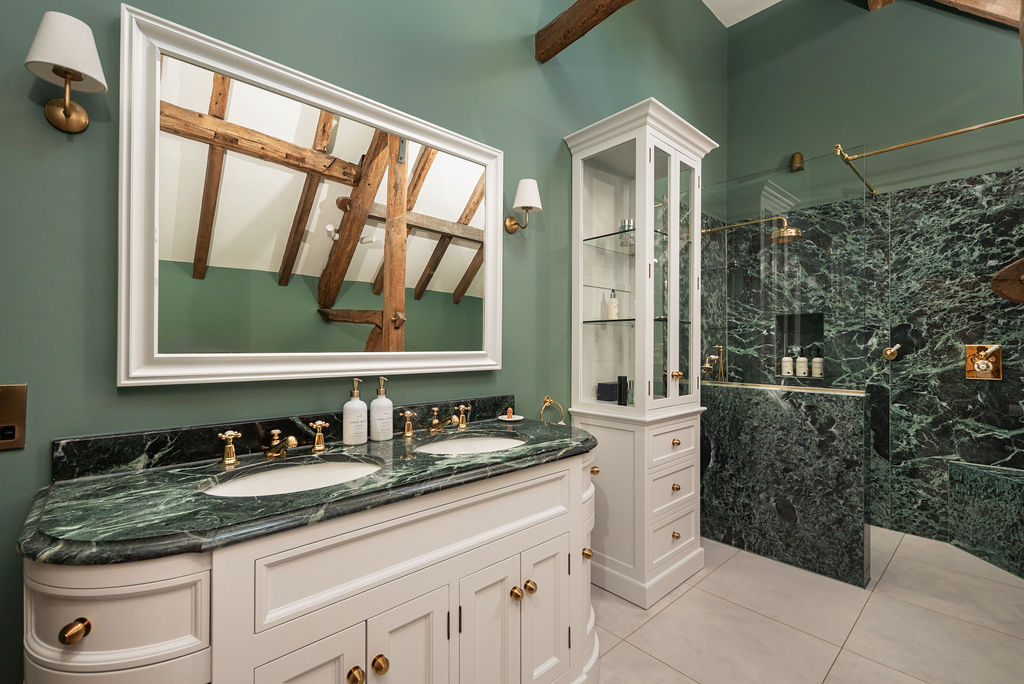
Photo: Showing a shower niche in the Master Walk-in Ensuite.
5. Inadequate Space for Storage and Shelving
Impact on Installation: Insufficient planning for storage such as cabinets or shelving can lead to awkward placements during installation, impacting both functionality and aesthetics. Installers might have to improvise by adjusting other elements, like mirrors, light fixtures, or towel racks, to make everything fit.
Additional Challenges: Improper placement of storage units can interfere with essential bathroom functions, such as making it difficult to access plumbing for maintenance or causing clearance issues with doors and drawers. This can result in added installation time to correct the oversight and ensure proper usability.
Conclusion
When designing a bathroom, attention to detail is critical to avoid installation problems that could derail timelines and inflate budgets. Ensuring proper plumbing layouts, fixture dimensions, and ventilation will help the installation process proceed smoothly. Misjudging these factors can lead to costly delays, additional materials, and on-site modifications—issues that are easily preventable with proper planning.
Book your consultation with Katie to discuss your bathroom remodel to avoid costly mistakes.