The Wellness ROI: How Circadian Lighting and Biophilic Design Are Transforming Home Values
In the world of luxury interior design, the definition of a truly exceptional home is undergoing a profound transformation. Beyond the scope of exquisite aesthetics and premium materials, a new benchmark has emerged: wellness. Today’s most forward-thinking homeowners and designers understand that the ultimate luxury is a home that actively enhances health, happiness, and quality of life. This shift from passive living spaces to active wellness environments is not just a fleeting trend; it is a science-backed movement that offers a significant and measurable return on investment (ROI).
At Katie Malik Design Studio, we have long championed the principle that great design is an investment in your well-being. Now, as we serve our clients across Cambridge, Essex, and beyond, we see a clear convergence of two powerful forces: circadian lighting and biophilic design. These are not mere decorative choices but foundational pillars of a home that nurtures its inhabitants while substantially increasing its market value.
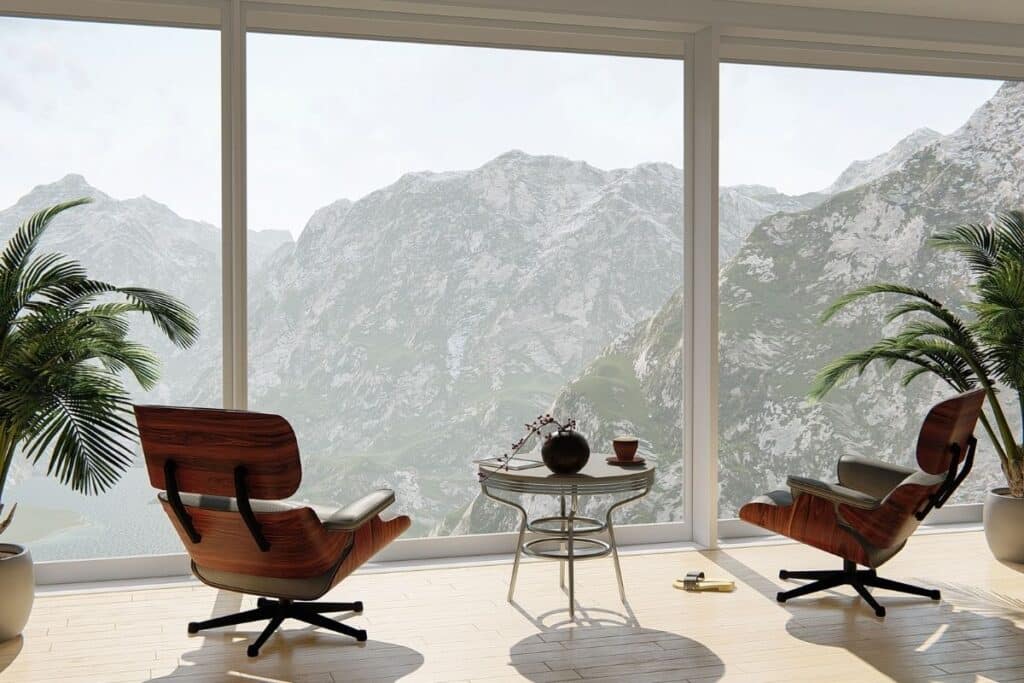
The Science of Seeing the Light: Circadian Rhythms and Your Home
For millennia, human life has been governed by the natural rhythm of the sun. Our internal biological clocks, known as circadian rhythms, are synchronized by the daily cycle of light and darkness. This master clock, located in a part of the brain called the suprachiasmatic nuclei (SCN), regulates everything from our sleep-wake cycles to our mood and metabolism.
However, modern life, with its abundance of artificial light, has created a significant disconnect from this natural cycle. Standard indoor lighting, often a stark and constant ~500 lux, is a pale imitation of the dynamic intensity of natural daylight, which can reach up to 100,000 lux. This constant, flat-quality light, especially blue-toned light from screens and LEDs in the evening, can disrupt our circadian rhythms, leading to poorer sleep, decreased daytime alertness, and even mood imbalances.
This is where circadian lighting, also known as human-centric lighting, comes in. It is a revolutionary approach to home illumination that goes beyond simple smart-home control. A circadian lighting system is designed to mimic the natural progression of sunlight throughout the day. In the morning, the system delivers brighter, cooler-toned light to suppress melatonin production, promoting alertness and energy. Throughout the afternoon, light remains bright and clear to support productivity and focus. As evening approaches and the sun sets, the lighting automatically shifts to warmer, dimmer tones. This signals to the SCN that the day is ending, allowing for the natural production of melatonin, the hormone that facilitates sleep.
By realigning our indoor environment with the natural world, circadian lighting offers profound wellness benefits. Research has shown that it can significantly improve sleep quality, enhance mood, and boost cognitive function. It represents a shift from lighting our homes merely to see, to lighting our homes to live better.
More Than Just Plants: Biophilic Design as an Architectural Philosophy
Parallel to the revolution in lighting is the evolution of biophilic design. This philosophy is built on the concept of “biophilia”—the innate human tendency to seek connections with nature. Far more than simply placing a few potted plants in a room, true biophilic design integrates natural elements into the very fabric of a home’s architecture.
The health benefits are compelling and well-documented. A 2022 study published by the National Institutes of Health (NIH) found that biophilic interventions can lead to improved relaxation, reduced stress and depressive symptoms, and even pain relief.
At Katie Malik Design Studio, we integrate biophilic principles through a multi-sensory approach.
Direct Connection to Nature involves maximising natural light with large windows and skylights, creating seamless transitions to outdoor living spaces, and incorporating indoor gardens or living walls.
Natural Materials and Forms means utilising materials like natural wood, stone, bamboo, and rattan that connect us to the outdoors. We are also seeing a renaissance of “honest materials” like limewashed plaster and unlacquered metals that develop a natural patina over time. Forms are also softening, with curves and arches replacing hard, rigid lines to mimic the organic shapes found in nature.
Finally, Indirect Natural Cues involve incorporating subtle, nature-inspired geometries known as “fractal patterns” into elements like tilework, textiles, or screens. Research suggests these complex but ordered patterns have a calming effect on the mind
The Tangible ROI of an Intangible Feeling
While the sense of well-being that comes from living in a thoughtfully designed home is invaluable, the financial returns are increasingly quantifiable. Investing in wellness is not an expense; it is an asset enhancement.
Market data consistently shows that homes with wellness-oriented and nature-inspired features are commanding premium prices. Research from sources like Zillow has shown that homes with nature-inspired design features can sell for as much as 3.5% more and for £12,500 above expected values. Other studies indicate that biophilic design can increase property value by up to 10%.
Bathroom and kitchen renovations are known to offer a strong return on investment. When these projects incorporate wellness features—such as a spa-like bathroom with natural stone and a circadian lighting system, or a kitchen that maximises natural light and connection to the garden—the ROI is amplified. The 2025 UK Houzz Bathroom Trends Study highlights that one in five homeowners are now expanding their bathrooms, transforming them from purely functional rooms into personal wellness retreats.
As awareness of the link between our homes and our health grows, these features will transition from desirable amenities to essential requirements for luxury buyers. Investing in circadian lighting and biophilic design today is a strategic move to future-proof your property, ensuring it remains competitive and desirable for years to come.
Bringing Wellness Home: A Holistic Approach
Integrating these principles into your home is a holistic process that is best guided by a design professional. It involves more than just selecting products; it requires a master plan that considers your home’s orientation, your family’s lifestyle, and your long-term investment goals.
A successful wellness-focused renovation or new build involves a cohesive lighting strategy that layers ambient, task, and accent lighting with a circadian system at its core. Thoughtful spatial planning arranges rooms to maximise exposure to natural light and create fluid connections to outdoor spaces. Authentic material selection means choosing materials that are not only beautiful but also sustainable, non-toxic, and connect you to the natural world.
Conclusion: The Ultimate Investment
The most sophisticated homes are no longer just a collection of beautiful objects; they are ecosystems for living well. By embracing the science of circadian lighting and the philosophy of biophilic design, you are making a dual investment: one in your family’s daily health and happiness, and another in the long-term financial value of your property. It is a testament to the idea that the best-designed homes are not only spaces to be admired, but sanctuaries that actively nurture and restore us.
Schedule your initial consultation to discover how we can bring your vision to life.