A Sanctuary in the Making: Your Essential Guide to Renovating a Listed Building
There is a certain magic to a listed building. It is a home that has stood the test of time, a silent witness to history, and a canvas for a new chapter—your own. At Katie Malik Design Studio, we believe that these properties are not merely structures to be preserved, but sanctuaries to be created. They are an opportunity to weave your own story into the rich tapestry of the past, creating a home that is both deeply personal and profoundly connected to its heritage.
However, the journey of renovating a listed building is a unique one, a delicate dance between preservation and personalisation. It requires a deep understanding of history, a respect for craftsmanship, and a vision for the future. This guide is designed to be your trusted companion on this journey, providing you with the essential knowledge and insights to navigate the process with confidence and grace.
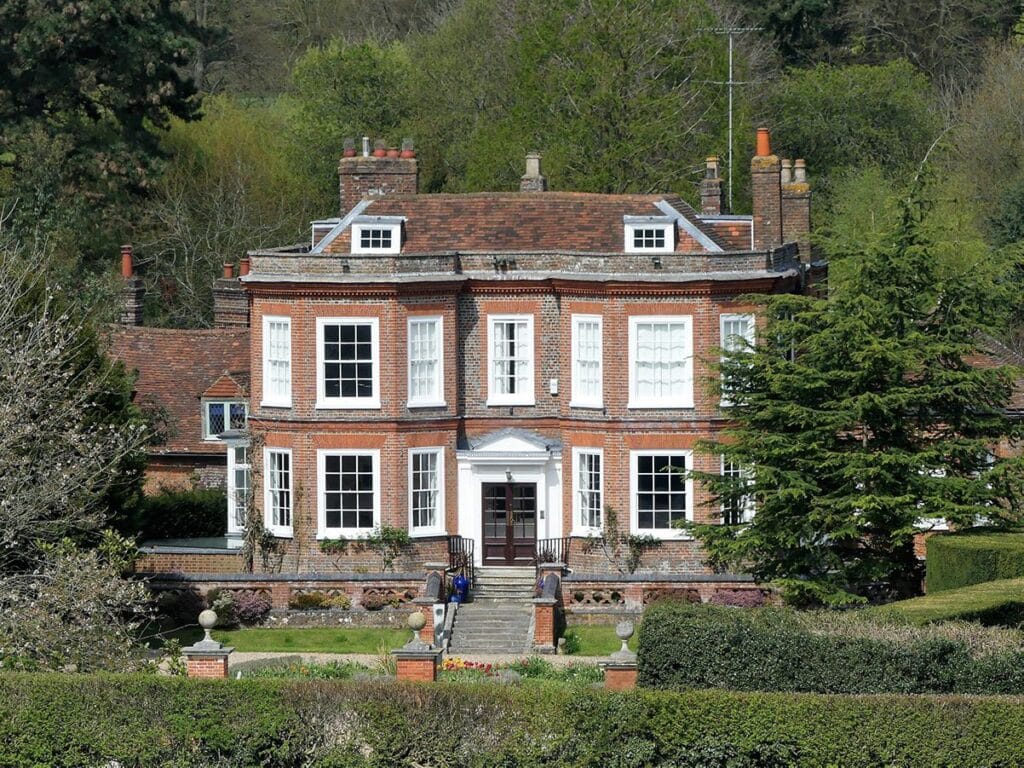
1. Understanding Your Listing: The Foundation of Your Vision
Before you begin to dream of colour palettes and furniture layouts, it is essential to understand the designation of your property. Listed buildings in the UK are graded to signify their architectural and historical importance, and these grades determine the level of protection they receive. The three grades are:
Grade I- Exceptional Interest- Only 2.5% of listed buildings are Grade I. These are buildings of the highest significance.
Grade II *- Particularly important buildings of more than special interest- 5.8% of listed buildings are Grade II*.
Grade II- 91.7% of listed buildings are Grade II. This is the most common grade.
Each grade carries with it a set of restrictions and requirements that will shape your renovation plans.
Understanding these from the outset will save you time, resources, and potential heartache down the line.
It is the first and most crucial step in creating a vision that is both inspiring and achievable.
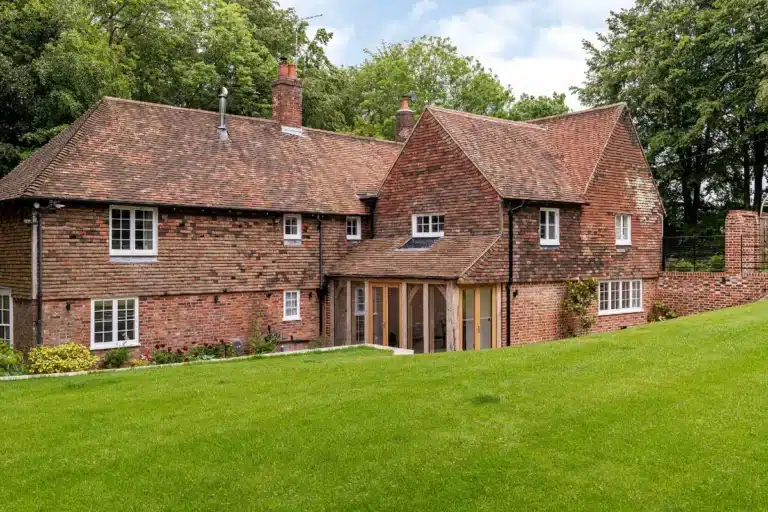
2. The Conservation Officer: Your Partner in Preservation
Your Local Planning Authority’s Conservation Officer is not a gatekeeper, but a partner. They are the custodians of your area’s heritage, and their knowledge and expertise are invaluable. Engaging with them early in the process is not just recommended; it is essential.
According to Historic England, “You should check first with your local authority Conservation Officer whether or not consent will be needed for what you plan to do. You should also get an outline of what might be acceptable and find out whether ideas need to be adapted to make them more likely to succeed. This simple step could save a lot of time and money.” [1]
Building a positive and collaborative relationship with your Conservation Officer will pave the way for a smoother and more successful renovation. They can provide guidance on everything from appropriate materials to sympathetic design solutions, helping you to create a home that is both beautiful and compliant.
3. The Dream Team: Assembling Your Specialists
Renovating a listed building is a collaborative endeavour, and the success of your project will depend on the expertise of your team. This is not a standard renovation; it is a specialist undertaking that requires a unique set of skills and experience. Your team should include:
•A Conservation-Accredited Architect: An architect with a deep understanding of historic buildings and a proven track record of working on listed properties.
•An Experienced Interior Designer: A designer who appreciates the nuances of heritage properties and can create a scheme that is both sympathetic and stylish.
•Specialist Contractors: Builders and craftspeople who are familiar with traditional building methods and materials, such as lime mortar and traditional joinery.
The right team will not see restrictions, but creative opportunities. They will find innovative ways to integrate modern living into a historic setting, creating a home that is both functional and full of character.
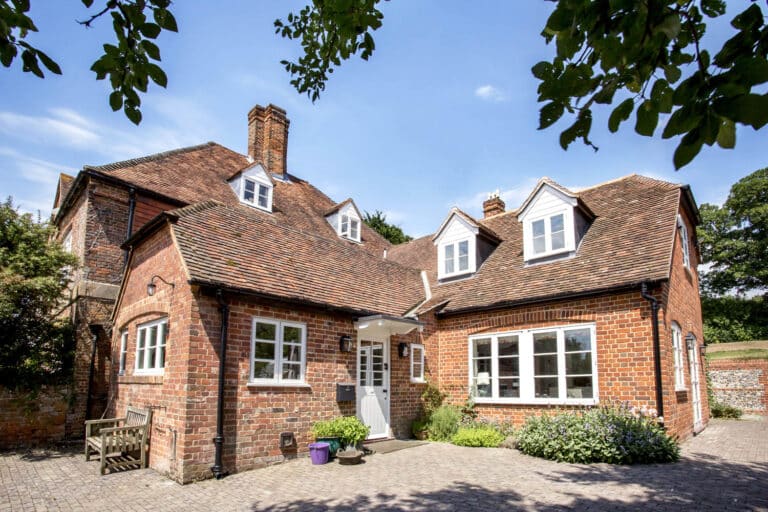
4. Listed Building Consent: The Key to Your Renovation
Nearly all alterations to a listed building, both internal and external, require Listed Building Consent (LBC). This includes everything from rewiring and plumbing to changing a fireplace or installing a new kitchen. It is a criminal offence to carry out work on a listed building without consent, and the penalties can be severe. It’s important to mention that if the changes affect the building’s historic character or layout, such as moving walls or altering features a consent is necessary. While simply replacing modern fittings may not require consent, any structural changes, alterations to the historic layout, or work on protected features will require Listed Building Consent from your local authority.
The application process for LBC can be lengthy, so it is essential to submit your plans well in advance. Your application should be detailed and comprehensive, clearly outlining the proposed works and demonstrating how they will preserve the character of the building.
5. Preserving the Soul: The Beauty of Original Features
The soul of a listed building lies in its original features—the gentle curve of a plaster cornice, the rich patina of an original floorboard, the intricate detail of a period fireplace. These are the elements that tell the story of your home, and they should be preserved and celebrated wherever possible.
Prioritise repair over replacement. Where features are beyond repair, work with specialists to create sympathetic replacements that honour the building’s character. These original features are the foundation of your design, the threads that will connect your new home to its past.
6. The Art of Intervention: Blending Old and New
Modern living and historic charm are not mutually exclusive. The key is to create a dialogue between the old and the new, a harmonious blend of past and present. When introducing contemporary elements, such as a new kitchen or bathroom, design them to complement rather than compete with the original features.
Consider using reversible installations that do not damage the historic fabric of the building. Concealed services and carefully chosen materials will ensure that your updates enhance rather than diminish the character of your home. This is where the expertise of an experienced interior designer is invaluable. They can help you to create a design that is both timeless and of its time.
7. The Language of Materials: Respecting Tradition
Listed buildings were constructed using a different language of materials than modern homes. They were built to breathe, to move, and to age gracefully. Using traditional materials and methods is not just about aesthetics; it is about ensuring the long-term health and structural integrity of your home.
Avoid modern, impermeable materials such as cement-based mortars and plastic-based paints, which can trap moisture and cause dampness. Instead, embrace the beauty of lime mortar, traditional timbers, and breathable paints. These materials have been used for centuries for a reason—they work.
8. A Sense of Place: Considering the Setting
Your home does not exist in isolation. It is part of a wider historic landscape, and any external alterations should be sensitive to this context. This includes everything from the style of your windows and doors to the design of your garden and boundary walls.
Your renovation should not just be a reflection of your personal taste, but a contribution to the character of your area. It is an opportunity to enhance the beauty of your surroundings and to create a home that is truly rooted in its sense of place.
9. The Power of Documentation: A Record of Your Journey
Before you begin any work, create a comprehensive photographic and written record of your property. This documentation will serve several important purposes:
•It will support your applications for Listed Building Consent.
•It will provide a valuable reference for your architect, designer, and contractors.
•It will create a fascinating archive of your home’s history for future generations.
This is a simple step that can save you a great deal of time and trouble in the long run.
10. Embracing the Journey: The Privilege of a Lifetime
Renovating a listed building is more than just a project; it is a privilege. It is an opportunity to become a custodian of history, to create a home of exceptional character and enduring value. The journey may be challenging, but the rewards are immeasurable.
At Katie Malik Design Studio, we are passionate about helping our clients to navigate this journey with creativity, expertise, and grace. We believe that every listed building has the potential to become a sanctuary, a home that is both a reflection of your unique personality and a celebration of its own rich history.
Schedule your initial consultation to discover how we can help you renovate your listed building.