Why AI Cannot Design Your Home?
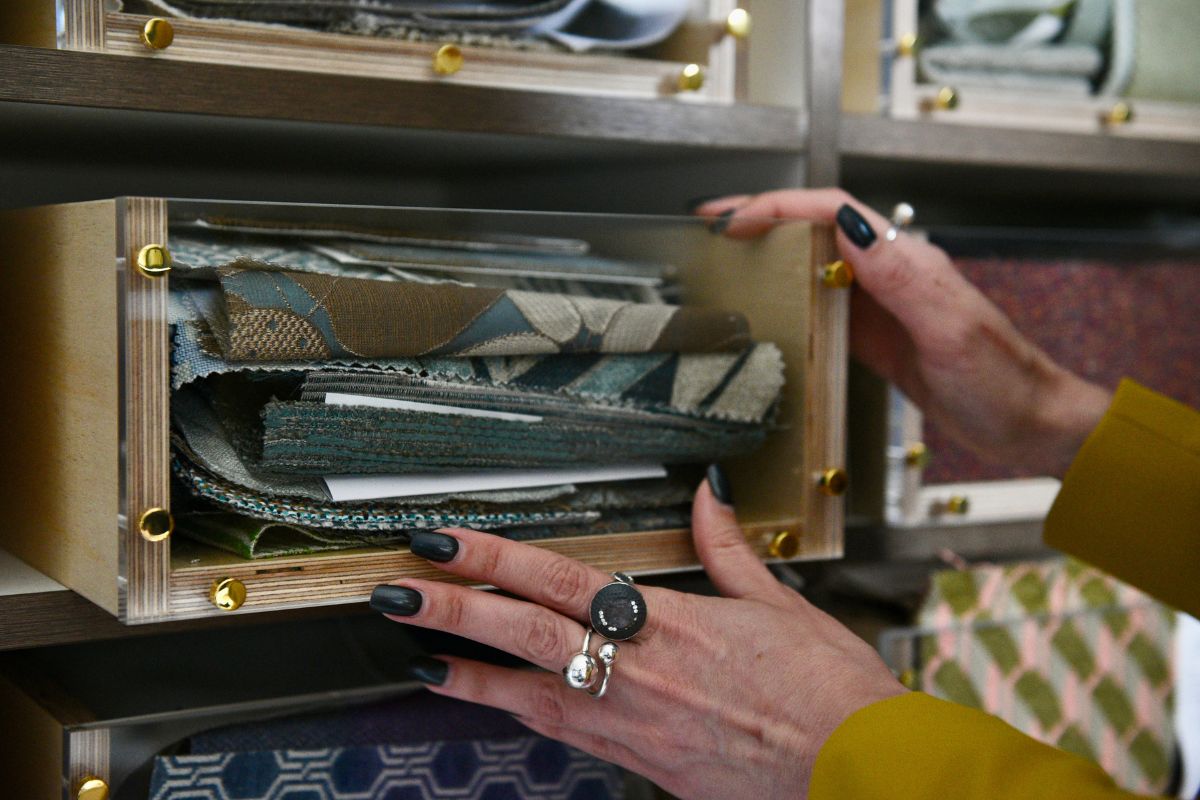
AI interior design is everywhere right now, and I completely understand why. It is brilliant for generating ideas, collating references, and starting a conversation about aesthetics. But AI interior design cannot design your house. It cannot stand in your kitchen and feel that the island is too close to the wall. It cannot notice how the light changes at 4pm, how a fabric feels in your hand, or whether a stone finish has the right depth and movement.
It doesn’t know the supplier who can solve a complex problem, the craftsman who will make a piece beautifully, or the nuanced questions to ask so your home actually supports the way you live. Good design isn’t just an image. It is scale, flow, comfort, construction, texture, trust, and judgement—it is deeply human.
AI can certainly inspire a look. It can create a beautiful image, but it cannot walk through your home, feel the materials, understand the light, know the right supplier, or sense what will truly work for your lifestyle. For me, interior design is not just about how a space looks on a screen. It is about judgement, craftsmanship, proportion, texture, trust, and the myriad details that only reveal themselves in real life. AI has its place in the early stages of visualising. But a home still needs a human eye, a human hand, and a deeply considered process.
The Human Element in Spatial Planning
One of the most critical aspects of interior design is spatial awareness—the intuitive understanding of how people move through and interact with a space. While an algorithm can generate a floor plan based on standard dimensions, it cannot account for the subtle, lived experiences that make a house feel like a home. It cannot foresee that you might want a quiet reading nook bathed in morning light, or that the flow between the kitchen and dining area needs to accommodate the chaotic joy of family gatherings. These are the elements that require human empathy and experience.
The Importance of Tactility and Craftsmanship
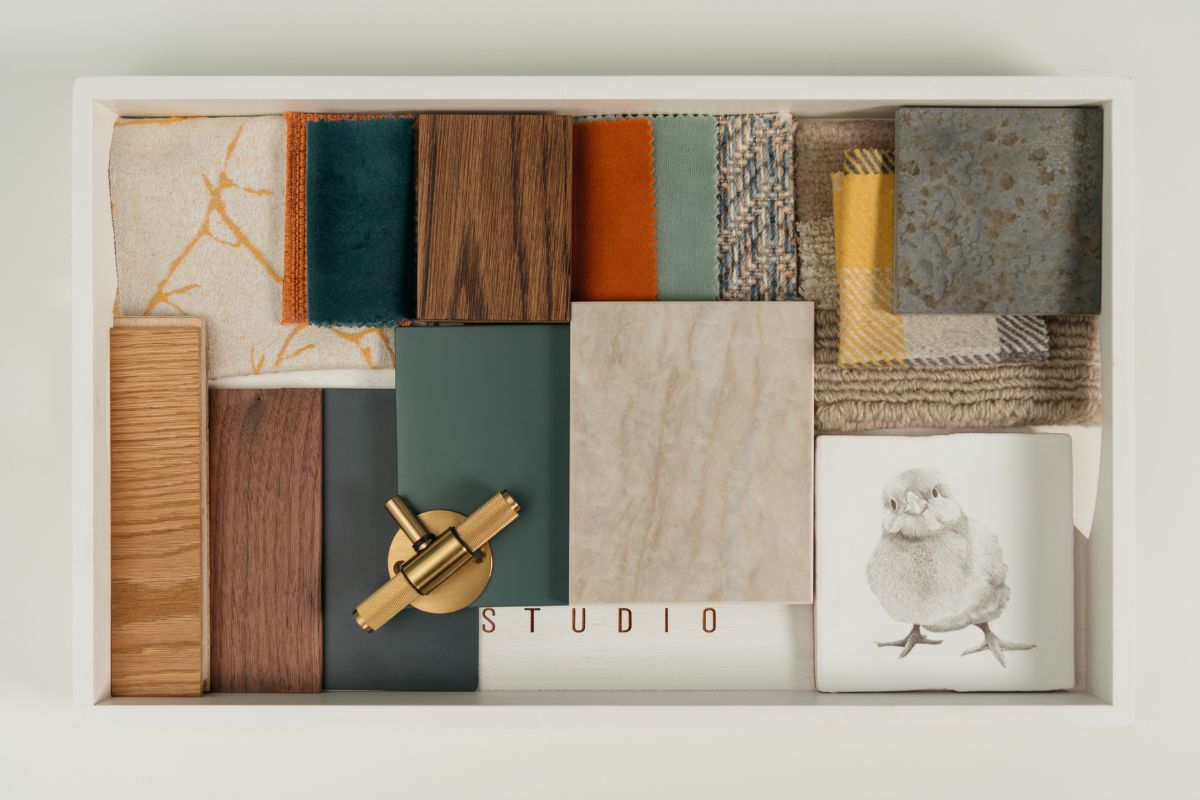
Design is inherently tactile. The weight of a door handle, the softness of a bespoke rug, the grain of natural wood—these physical sensations contribute significantly to our experience of a space. An AI-generated image may look flawless, but it cannot convey the quality or suitability of materials. As an interior designer, a significant part of my role involves sourcing the right materials and collaborating with skilled artisans to ensure that every element not only looks beautiful but feels right and stands the test of time.
Trust and the design journey
Perhaps the most vital component of the design process is trust. Designing a home is a deeply personal journey, one that requires open communication, mutual understanding, and a shared vision. It involves navigating challenges, making informed decisions, and adapting to unforeseen circumstances. An algorithm cannot provide the reassurance, guidance, and expertise that a dedicated designer brings to the table. It is this human connection that transforms a house into a true reflection of the people who live in it.