How to Renovate a Bathroom: A Step-by-Step Guide for Homeowners
Renovating a bathroom can be one of the most rewarding home improvement projects, increasing both the functionality and value of your home. Whether you’re tackling bathroom renovations in London, Essex, or Cambridge, this guide provides practical tips to help you create a stylish and functional space.
To make your project even easier, don’t forget to claim our free resource: “The Ultimate Bathroom Renovation Checklist”—your complete guide to approaching a bathroom remodel with confidence.
1. Start with a Clear Plan
Before tearing out tiles or ordering fixtures, create a detailed plan for your bathroom renovation. Consider these key points:
Purpose: Is this a master ensuite, a guest bathroom, or a family space?
Budget: Set a realistic budget, including a contingency for unexpected expenses.
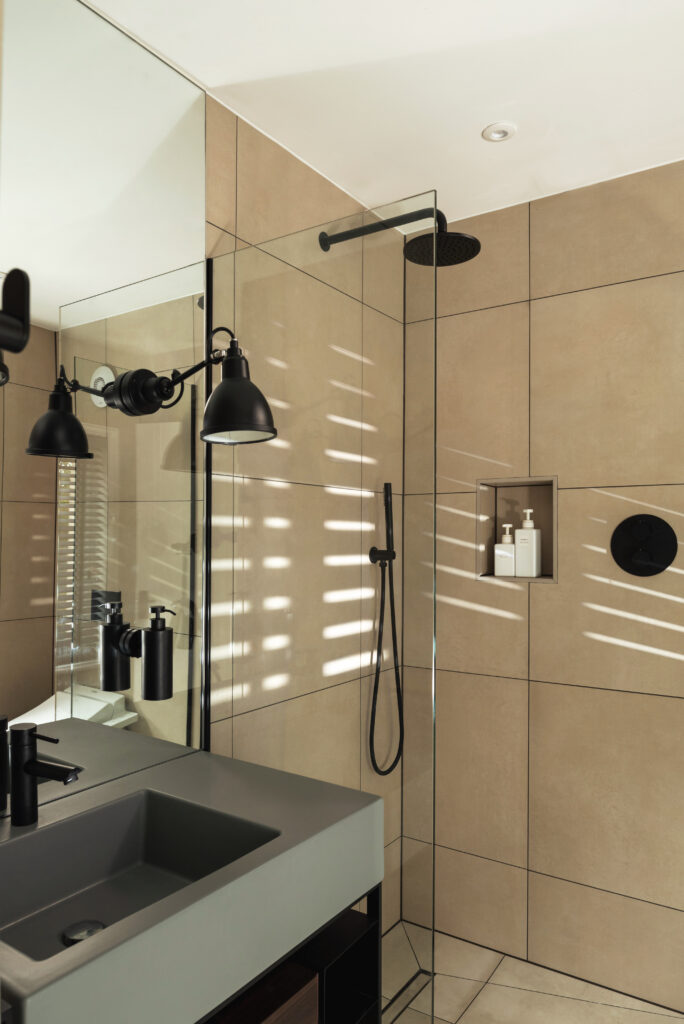
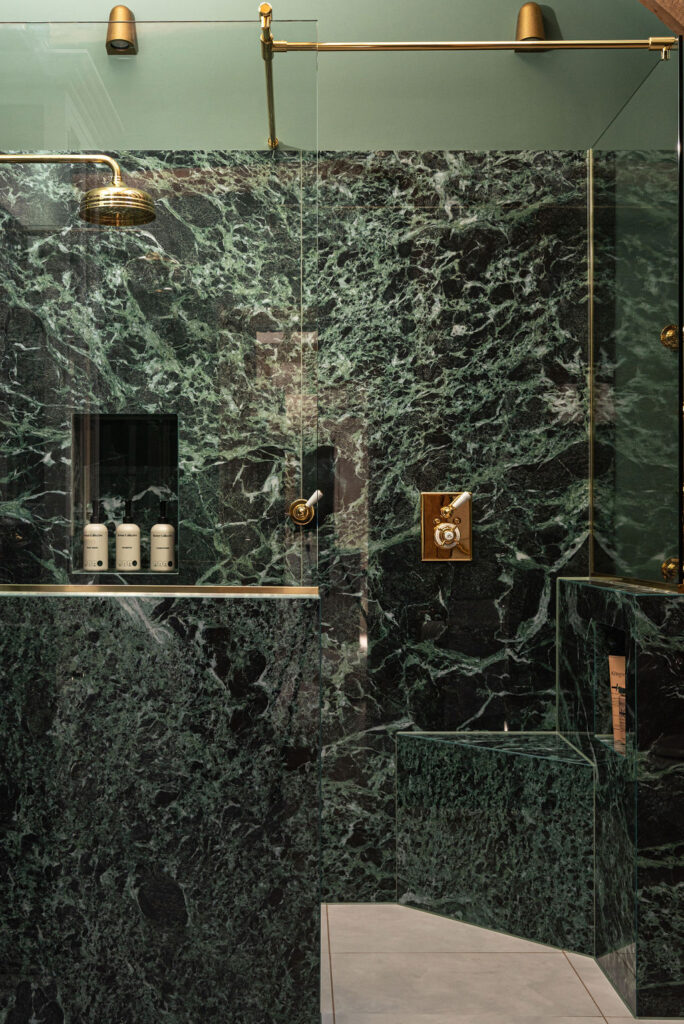
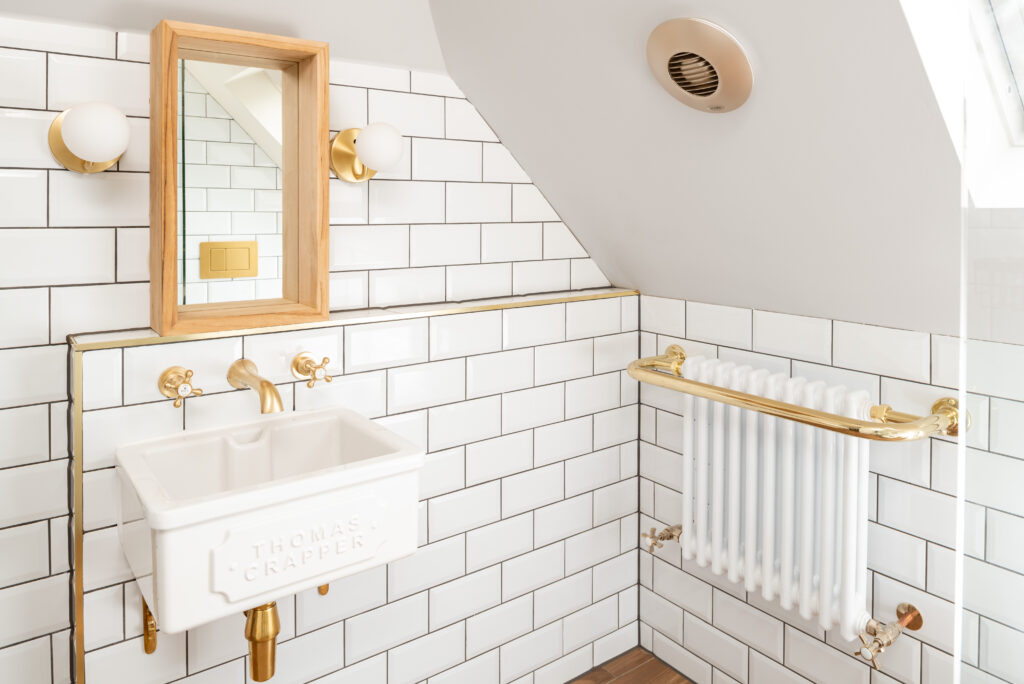
Design Style: Decide on a cohesive design theme—contemporary, modern, traditional, boho, transitional?
Pro Tip: Use inspiration boards on Pinterest or Instagram to refine your style preferences.
2. Measure Your Space
Accurate measurements are essential when planning your layout. Note dimensions, door swings, window locations, and plumbing points. This will help determine:
What size fixtures and fittings will fit.
Whether your layout can accommodate changes, such as a freestanding tub or double vanity.
Pro Tip: Sketch your bathroom or use online design tools for visualisation.
3. Prioritize Functionality in Layout
For a bathroom that looks great and works well:
Keep Plumbing in Place: Moving water lines can be expensive; try to work with the existing layout.
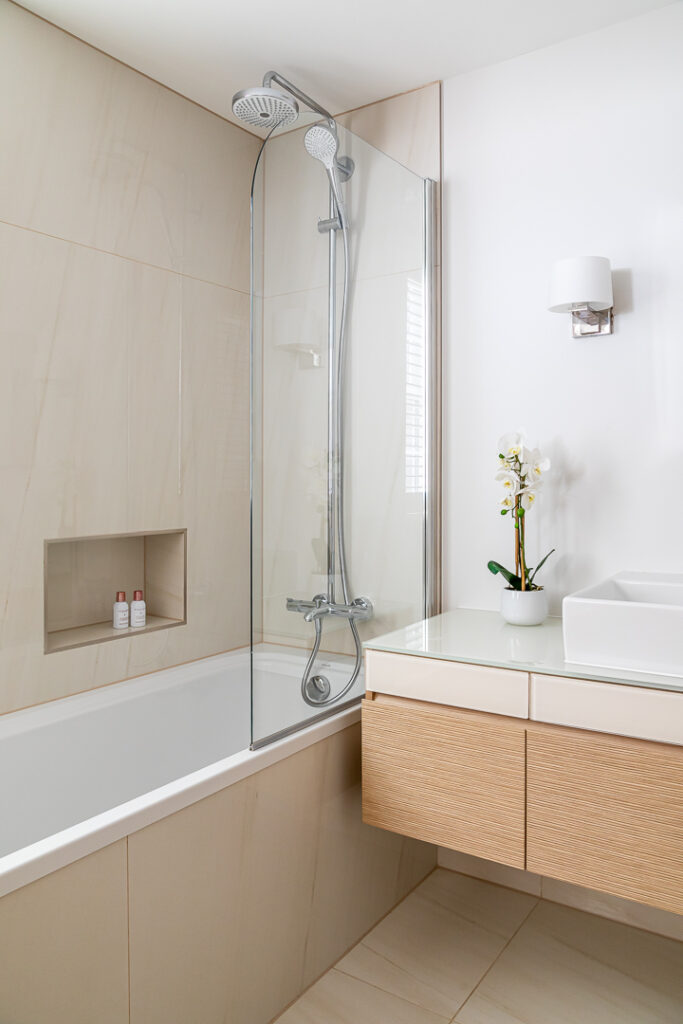
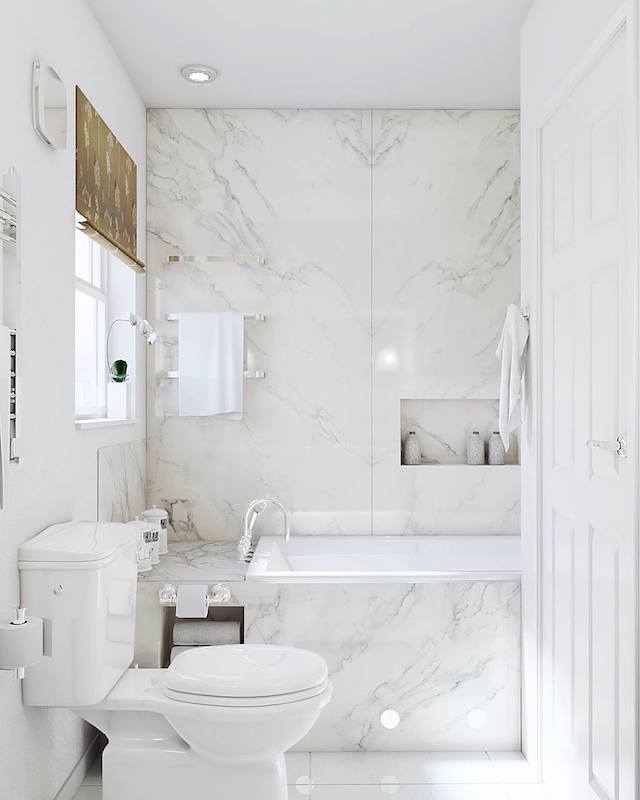
Plan for Storage: Include built-in shelves, vanity cabinets, or niches for toiletries.
Ventilation Matters: Install a high-quality extractor fan to prevent moisture buildup.
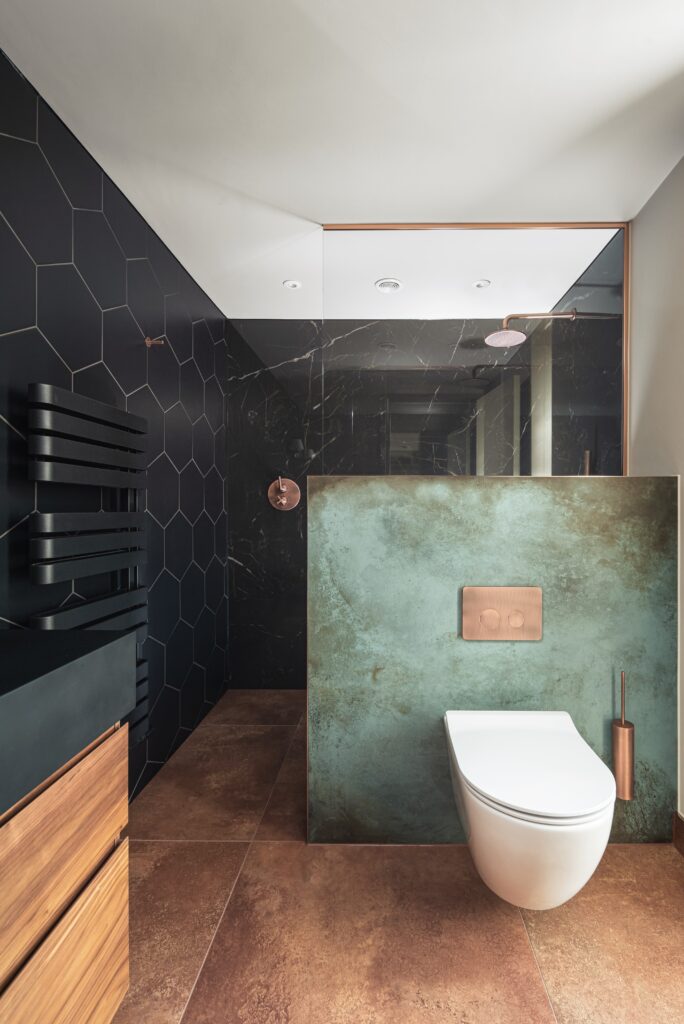
Pro Tip: Optimise small bathrooms with wall-mounted sinks or toilets to create a sense of space.
4. Choose Durable Materials
Bathrooms endure high humidity, so materials must be both durable and stylish:
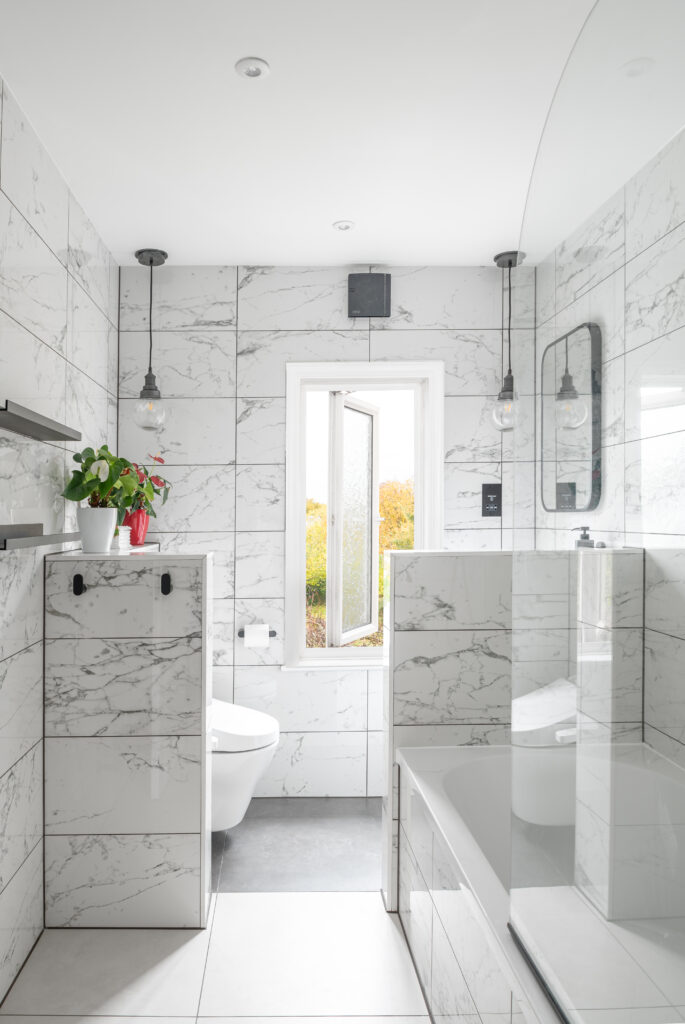
Tiles: Porcelain or ceramic tiles are ideal for floors and walls.
Countertops: Quartz and granite are popular for their durability and low maintenance.
Paint: Use moisture-resistant, mold-proof paint for walls and ceilings. I highly recommend using AURA SPA from Benjamin Moore. With a beautiful matte finish, Aura Bath & Spa is a premium-quality interior paint specially formulated to resist mould and mildew growth in humid areas such as bathrooms and spas.
Pro Tip: Add warmth to the design with natural elements like wooden vanities or stone accents.
5. Upgrade Your Lighting
Good lighting can transform your bathroom experience:
Layered Lighting: Combine overhead lighting with wall sconces or LED strips for task and ambient lighting.
Dimmers: Install dimmers for adjustable mood lighting.
Natural Light: If possible, maximise daylight with larger windows or skylights.
Pro Tip: Use IP-rated light fixtures for wet zones to ensure safety. You can find more information on IP rating zones here.
6. Go Green
Sustainability is a growing trend in home renovations. Here’s how to make your bathroom eco-friendly:
Low-Flow Fixtures: Save water with low-flow toilets, faucets, and showerheads.
LED Lighting: Reduce energy consumption with LED bulbs.
Recycled Materials: Use recycled tiles or reclaimed wood for unique design touches.
Pro Tip: Check for government grants or rebates on water-saving and energy-efficient upgrades.
7. Add Luxe Touches
Elevate your bathroom with luxurious yet affordable features:
Heated Floors: Radiant floor heating is a game-changer in colder months.
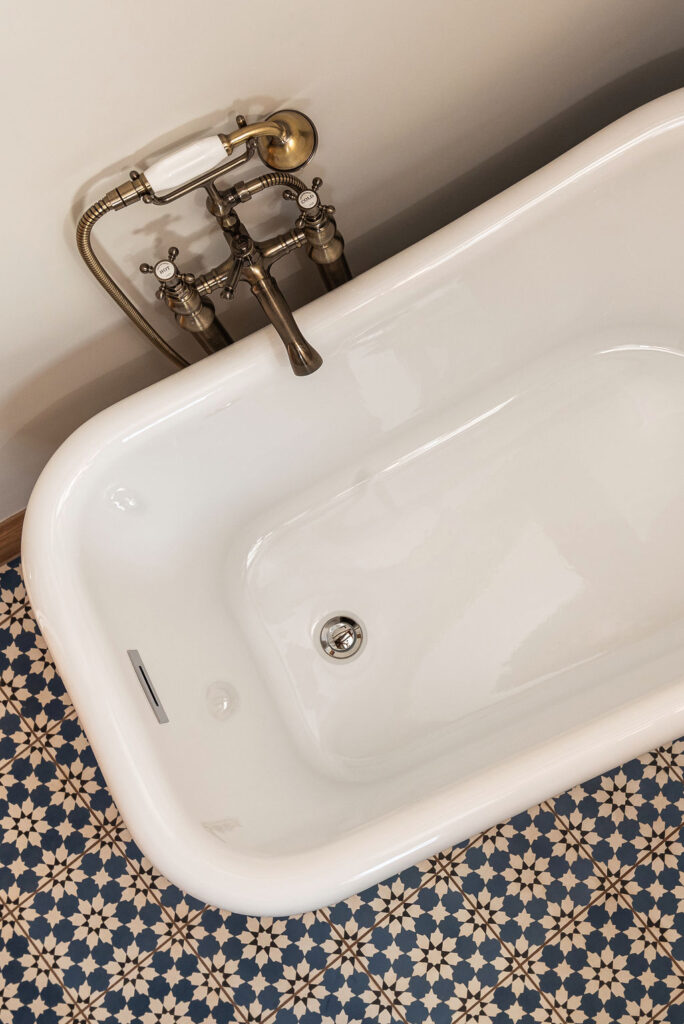
Freestanding Tub: Perfect for creating a spa-like retreat provided you have the space. You can also design a walk-in shower with a bathtub if you’re short on space.
High-Quality Fixtures: Invest in well-crafted taps, showerheads, and handles for a timeless look.
Pro Tip: Mirrors with built-in LED lighting add both elegance and functionality. If you’re not planning on rewiring your bathroom or just moved into a newly built home, there are LED battery operated mirrors and mirror cabinets.
8. Hire the Right Professionals
While some aspects of bathroom renovations can be DIYed, many require professional expertise:
Plumbers and Electricians: For essential water and electrical work.
Tile Installers: Ensure a flawless finish for floors and walls.
Design Experts: Consult an interior designer for layout and aesthetic guidance.
Pro Tip: Look for experienced professionals specialising in home renovations.
Katie has over 10 years of experience renovating homes. If you’d like to speak to her, click here to discuss your project.
9. Stick to a Timeline
Renovating a bathroom takes time, and delays can increase costs. Work with your contractor to establish a realistic timeline and stick to it.
Pro Tip: Order all materials before starting work to avoid delays caused by supply chain issues. Ensure your contractor confirms the exact quantities of materials to avoid issues during the installation.
10. Test and Finalize
Once your bathroom renovation is complete, do a thorough walkthrough:
Test all fixtures, including water pressure and drainage.
Inspect tiles, grout, and finishes for any imperfections.
Ensure ventilation and lighting are functioning as planned.
Pro Tip: Keep leftover tiles and paint for future touch-ups.
Claim Your Free Bathroom Renovation Checklist
Ready to start your bathroom renovation journey? Claim my free guide: “The Ultimate Bathroom Renovation Checklist” to help you stay organised, budget smartly, and avoid common pitfalls.
Email info@katiemalik.co.uk to claim your free guide.
We use cookies on our website to give you the most relevant experience by remembering your preferences and repeat visits. By clicking “Accept All”, you consent to the use of ALL the cookies. However, you may visit "Cookie Settings" to provide a controlled consent.
This website uses cookies to improve your experience while you navigate through the website. Out of these, the cookies that are categorized as necessary are stored on your browser as they are essential for the working of basic functionalities of the website. We also use third-party cookies that help us analyze and understand how you use this website. These cookies will be stored in your browser only with your consent. You also have the option to opt-out of these cookies. But opting out of some of these cookies may affect your browsing experience.
Necessary cookies are absolutely essential for the website to function properly. These cookies ensure basic functionalities and security features of the website, anonymously.
Cookie
Duration
Description
cookielawinfo-checkbox-analytics
11 months
This cookie is set by GDPR Cookie Consent plugin. The cookie is used to store the user consent for the cookies in the category "Analytics".
cookielawinfo-checkbox-functional
11 months
The cookie is set by GDPR cookie consent to record the user consent for the cookies in the category "Functional".
cookielawinfo-checkbox-necessary
11 months
This cookie is set by GDPR Cookie Consent plugin. The cookies is used to store the user consent for the cookies in the category "Necessary".
cookielawinfo-checkbox-others
11 months
This cookie is set by GDPR Cookie Consent plugin. The cookie is used to store the user consent for the cookies in the category "Other.
cookielawinfo-checkbox-performance
11 months
This cookie is set by GDPR Cookie Consent plugin. The cookie is used to store the user consent for the cookies in the category "Performance".
viewed_cookie_policy
11 months
The cookie is set by the GDPR Cookie Consent plugin and is used to store whether or not user has consented to the use of cookies. It does not store any personal data.
Functional cookies help to perform certain functionalities like sharing the content of the website on social media platforms, collect feedbacks, and other third-party features.
Performance cookies are used to understand and analyze the key performance indexes of the website which helps in delivering a better user experience for the visitors.
Analytical cookies are used to understand how visitors interact with the website. These cookies help provide information on metrics the number of visitors, bounce rate, traffic source, etc.
Advertisement cookies are used to provide visitors with relevant ads and marketing campaigns. These cookies track visitors across websites and collect information to provide customized ads.