How to Balance Heritage and Modern Design: Crafting Timeless Spaces
In today’s design world, one of the most intriguing challenges is balancing the old with the new, especially when working with heritage properties. The key to success lies in preserving the unique charm and character of the building while introducing modern functionality that supports contemporary living.
At Katie Malik Design Studio (KMDS), we take a personalised approach to blending historic elements with modern design. Every project is a journey of discovery, where we carefully evaluate the history and significance of the property before incorporating modern comforts. Below are a few examples of our recent projects where we successfully balanced these two elements, turning outdated spaces into vibrant, functional, and stylish homes.
Project 1: Grade II Listed House in Huntingtonshire
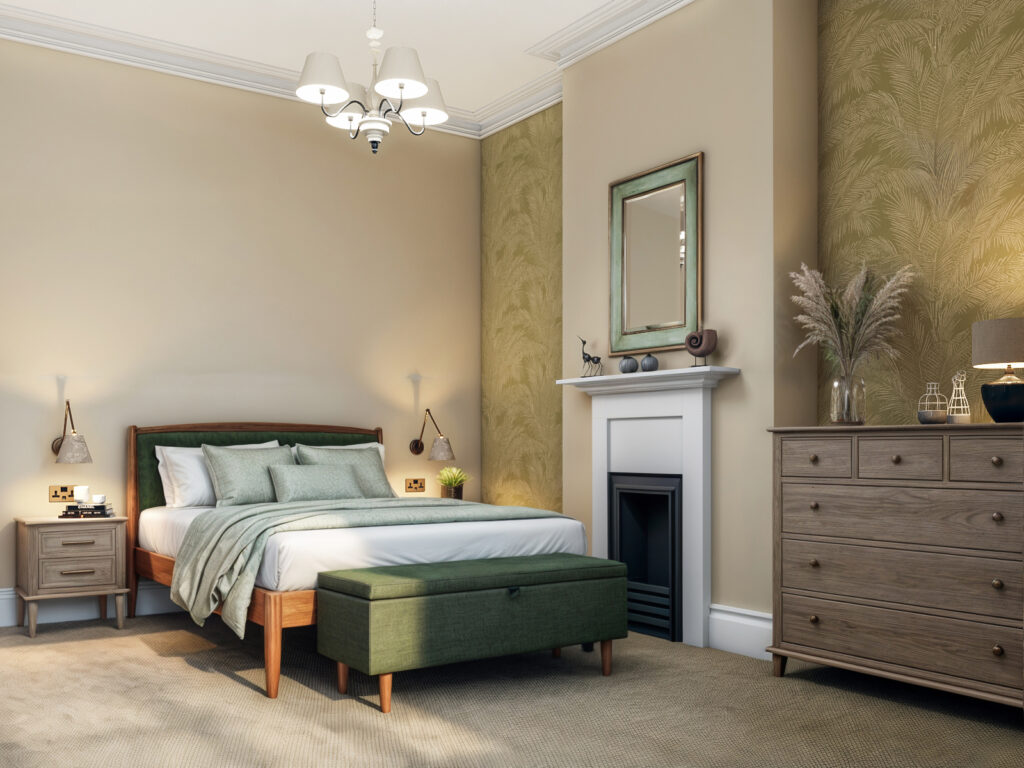
This full turn-key renovation involved transforming a 5-bedroom Grade II listed property into a luxurious, contemporary home while preserving its historic features. The property’s design was inspired by the colours of Cornwall, and the project was split into two stages over four years. Working within the constraints of planning permissions and adapting to the challenges posed by the pandemic, we created a space that is both timeless and modern.
The challenge here was to maintain the building’s charm—high ceilings, traditional features, and intricate woodwork—while introducing contemporary elements like home automation, bespoke joinery, and modern kitchen fittings. Our clients had a strong preference for bold colours and textures, avoiding white aside from the woodwork, which led us to choose rich hues inspired by the Cornish landscape. The result was a sophisticated blend of traditional architecture and modern living, creating a space that feels like home and honours the past.
Click here to see the project.
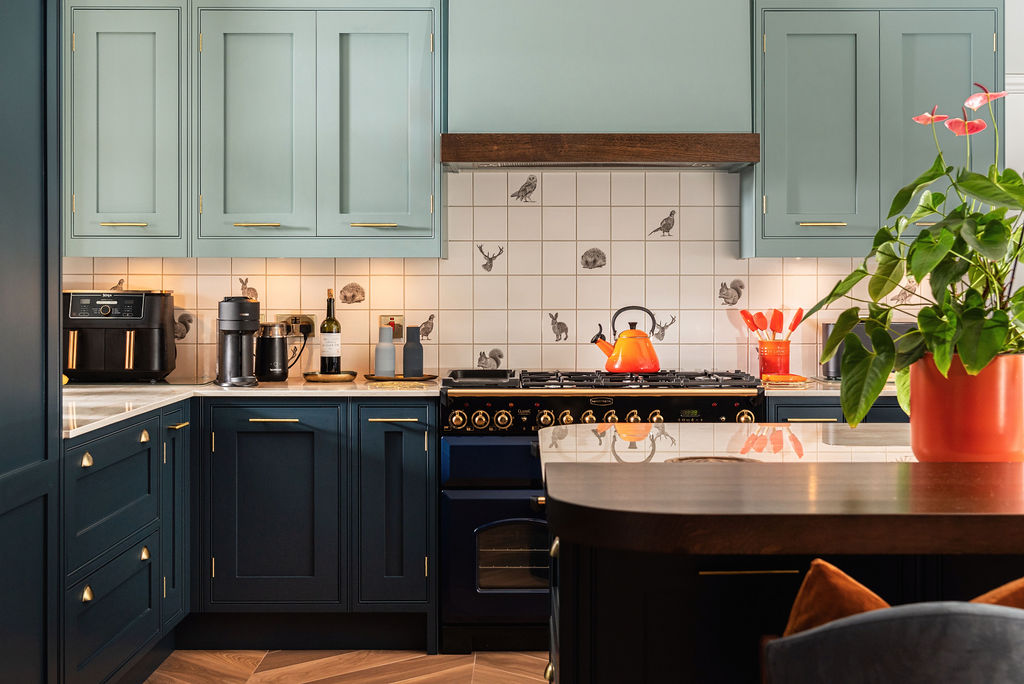
Project 2: Victorian Terrace with Industrial Aesthetics
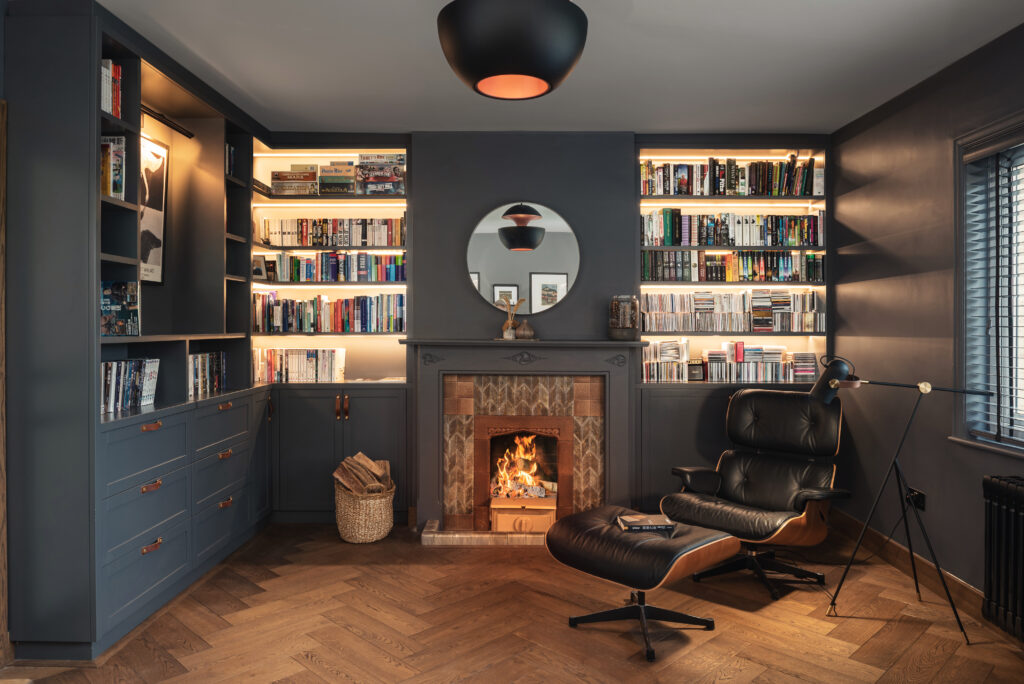
In this 2-bedroom Victorian terrace, we merged earthy, cosy textures with industrial design elements to create a home that feels both grounded and modern. The design process began with reimagining the floor plan to maximise the kitchen and dining areas. After exploring several layouts, we decided to leave the kitchen in its original position, extending joinery into the dining room to create an open, modern feel.
Incorporating the clients’ existing furniture, artwork, and heirlooms was central to this project. Our team designed custom joinery to provide ample storage without compromising the space’s warmth. With a keen eye for detail, we ensured that each element of the design—whether it was the carefully selected tiles or the custom cabinetry—blended seamlessly with the building’s history.
Click here to view the project.
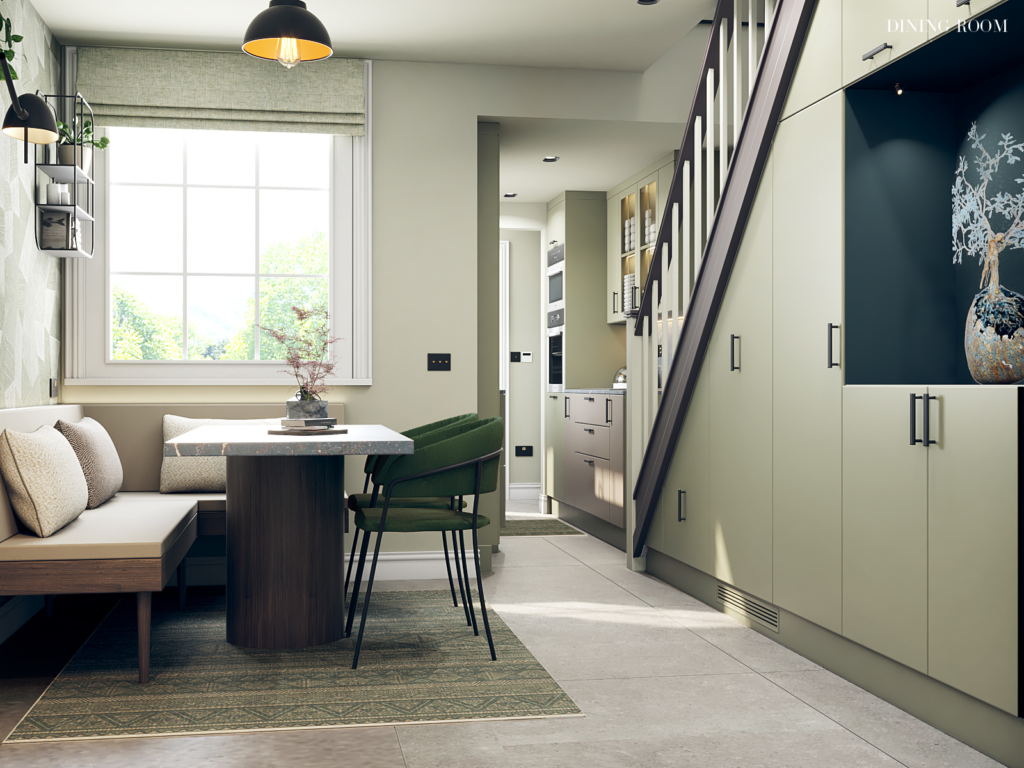
Project 3: Converted Barn from the 16th Century
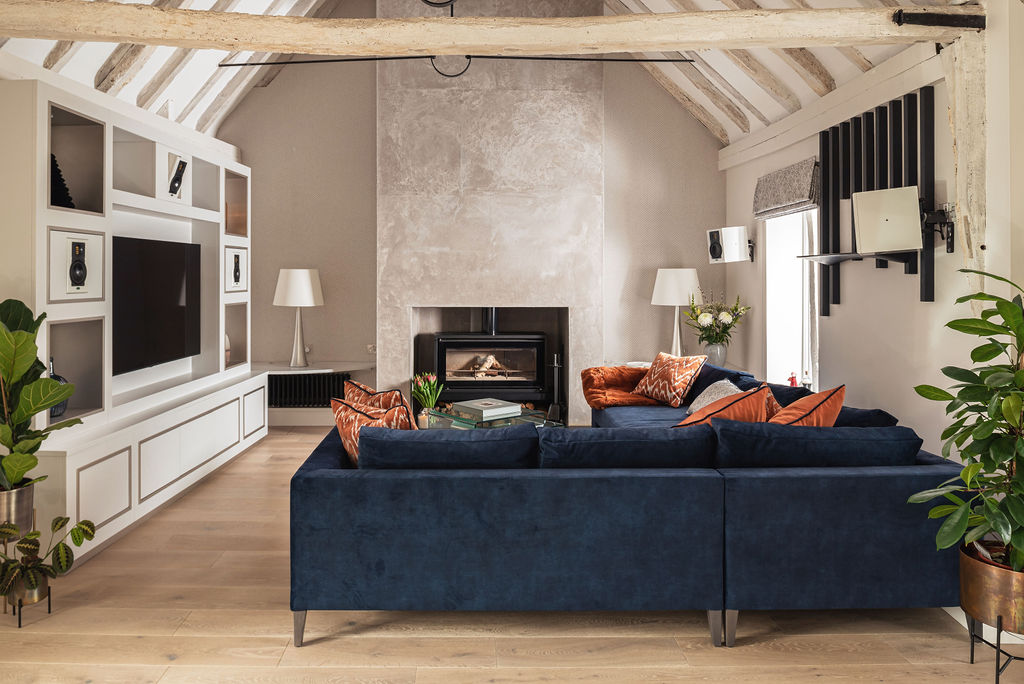
Perhaps one of our most challenging and rewarding projects, the conversion of a 16th-century barn into a modern living space required careful consideration of the building’s age and structure. The goal was to create a luxurious, quiet sanctuary that honoured the original barn’s architecture while integrating clean lines and contemporary elements.
One of the standout features of this design was our collaboration with Chardome Bespoke Furniture to create a tailored living room layout that integrated high-end audio equipment for the client, an audio expert. The open-plan space was redesigned to incorporate bespoke joinery, furniture, and a new mezzanine-level music room. Modern technology was seamlessly integrated, with a Control4 smart system, new lighting plans, and smart home automation, while preserving the barn’s historic charm.
Click here to view the project.
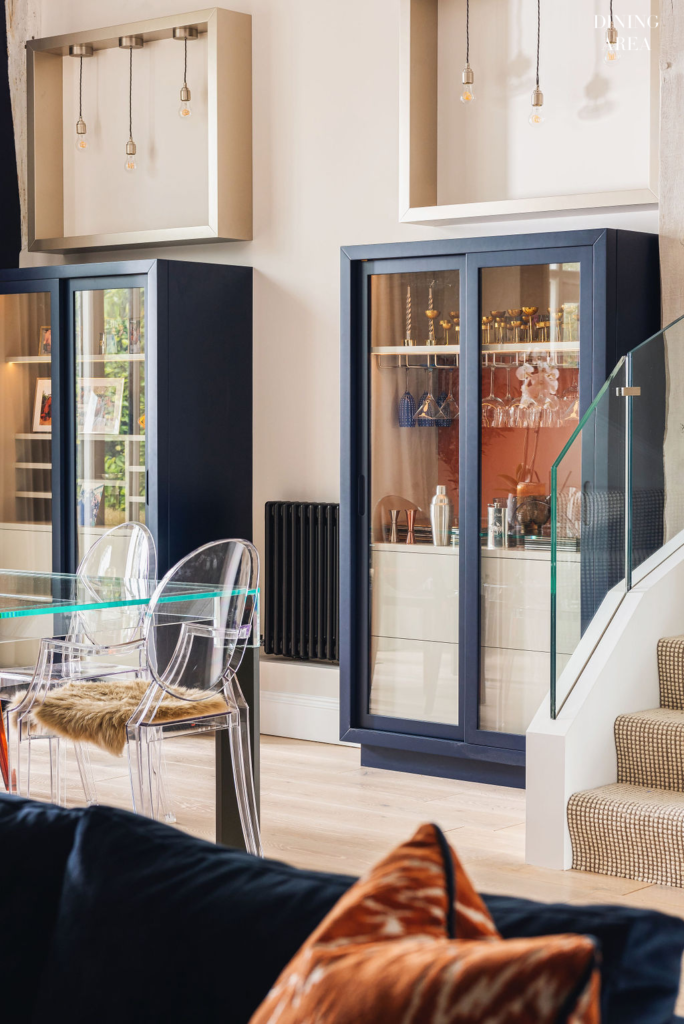

Key Design Principles for Balancing Heritage and Modernity
Preserve Architectural Features: Retaining original elements like high ceilings, fireplaces, and wooden beams not only maintains the building’s charm but adds a unique character that modern materials cannot replicate.
Introduce Modern Functionality: Modern technology and convenience, such as smart home systems, updated kitchen layouts, and bespoke furniture, make spaces more livable and functional without detracting from their historical value.
Mindful Material Selection: Choosing materials that complement the original structure while adding new textures, colours, and functionality is key. From marble countertops to wooden accents, each element should respect the history of the building while offering contemporary appeal.
Seamless Integration of Old and New: The ultimate goal is to create a space where the historic and modern elements feel connected rather than disjointed. Every design choice—from lighting to furniture—should contribute to this seamless integration.
Conclusion
Balancing heritage with modern design is not just about respecting the past but also creating spaces that are functional and beautiful for today’s needs. At KMDS, we believe that thoughtful, well-executed design can breathe new life into historic properties, honouring their past while embracing the future.
Whether you’re considering a Grade II listed house or a Victorian terrace, our team has the expertise to help you navigate the complexities of preserving heritage while integrating modern design. For more information on how we can help you transform your home, visit our portfolio or contact us directly. Book your consultation here.